
Mold Remediation Insurance for Restoration Contractors
Your crews step into damp, damaged, and sometimes occupied buildings where health concerns, indoor air quality, and long-term structural impact are all in play. Moisture readings, containment, and removal decisions are recorded and can be questioned later.
A basic contractor policy does not see the difference between hanging new drywall and opening up a contaminated wall assembly. Mold remediation companies manage moisture investigations, containment design, cross-contamination control, HEPA cleaning, and clearance documentation on nearly every project. Mold remediation insurance keeps protection aligned with that reality.
Restore Insure focuses on restoration contractor insurance and business insurance for restorers. For qualified accounts, we aim to issue policies within about 24 hours of receiving complete information and we work to submit claim notices within about 24 hours of hearing from the insured.
How Mold Remediation Companies Really Work Day to Day
Your workload is not theoretical. It is wet floors, hidden cavities, worried occupants, and strict documentation requirements on every job.
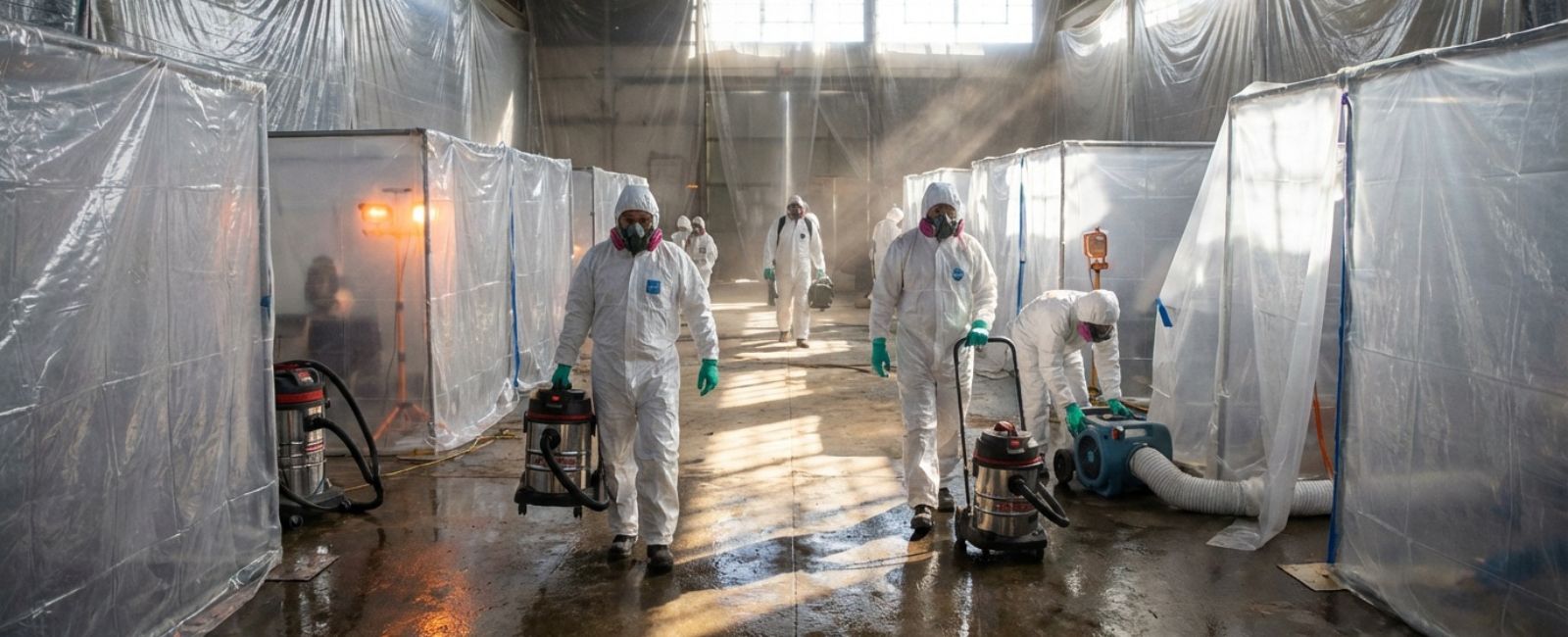
A typical mold remediation project starts with moisture assessment and mapping. You trace the water source, measure affected materials, and monitor readings as drying progresses. You build containment, establish negative air, and plan access routes so crews can remove damaged assemblies while protecting unaffected spaces.
On site, your teams manage source control and drying, selective demolition, HEPA vacuuming, and detailed cleaning. They navigate tight mechanical rooms, crawlspaces, basements, and attics with limited visibility. Cords, hoses, dehumidifiers, and air movers run through walk paths while occupants, property managers, and other trades move in and out of the work area.
After removal and cleaning, you coordinate with labs, hygienists, or third-party inspectors for sampling and clearance. That is where disagreements surface: pre-existing conditions, how far hidden moisture extended, whether staining indicates active growth, and what it means when mold returns or appears in a new cavity months later.
Generic contractor insurance rarely accounts for this mix of microbial contamination, moisture-related building science, occupant sensitivity, and documentation load. Mold remediation companies need coverage that understands how these pieces fit together on real jobs.
Coverage Built Around Mold Remediation Work
Mold remediation risk is not one policy line. It is how general liability, professional liability, pollution coverage, and equipment protection work together when a project is questioned.
General Liability
General liability responds when visitors, occupants, or other trades are injured around your equipment, cords, hoses, or wet surfaces. It also comes into play when unaffected areas are damaged while you cut out materials, move contents, or install containment barriers.
For mold remediation firms, this includes slip-and-fall incidents in hallways full of dehumidifiers and air movers, or accidental damage to finishes while accessing a hidden cavity to remove contaminated assemblies.
Learn more about General LiabilityProfessional Liability / E&O
Professional liability addresses allegations that your recommendations, protocols, or documentation were inadequate. That can include decisions about removal versus cleaning, how you interpreted lab results, or how you documented pre-existing conditions in a report.
When clearance is challenged or a previously concealed cavity later tests positive, this coverage helps protect your firm as your scope, notes, and moisture maps are reviewed line by line.
Learn more about Professional LiabilityContractors Pollution Liability
Contractors pollution liability is where mold, bacteria, and other microbiological contaminants are typically addressed. It recognizes that spores, microbial fragments, and certain cleaning agents may be treated as pollutants under many policies.
This is critical when claims allege cross-contamination, improper containment, or health complaints related to mold, Category 3 water, or chemical use during remediation.
Learn more about Contractors Pollution LiabilityInland Marine and Equipment
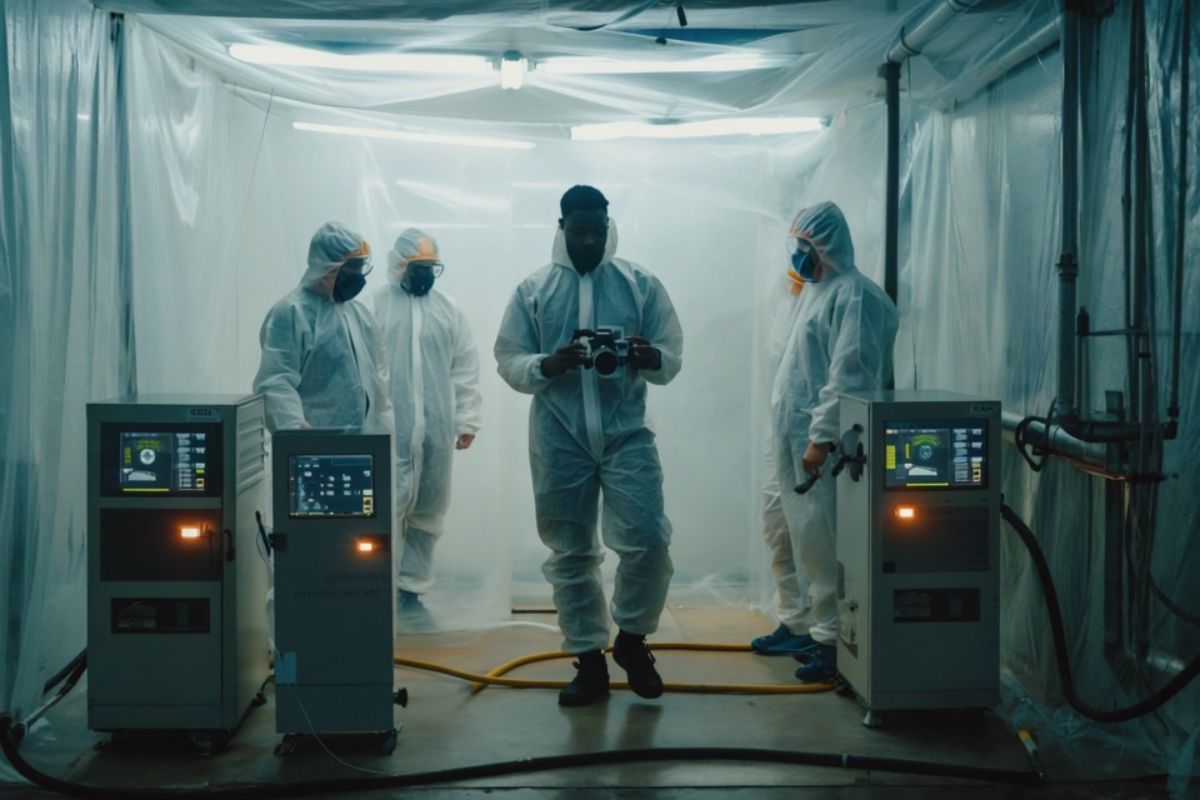
Inland marine coverage protects the tools that keep your projects moving: dehumidifiers, air movers, air scrubbers, HEPA vacuums, moisture meters, thermal cameras, and negative air machines that travel from job to job.
On large commercial or multi-building losses, this coverage helps when equipment is damaged, missing, or disputed while you manage staging areas, multiple stories, and high-value contents.
Learn more about Inland Marine CoverageWho This Mold Remediation Program Is Built For
This is for teams that live in the details of moisture, mold, and documentation, not for occasional add-on work.
Restore Insure is built for owners, general managers, project managers, estimators, and field leaders at mold remediation companies and environmental service divisions. You lead crews that handle moisture investigations, mold removal and cleaning, containment and negative air, selective demolition, and either in-house or third-party clearance.
Property owners, tenants, property managers, adjusters, and health consultants rely on your teams to stabilize indoor environments without over- or under-scoping the work. Your reputation is built on how well you balance safety, practicality, and clear communication when projects become complex.
If you recognize your workflow in these descriptions, this program is built for you, even if your exact titles or business structure look a little different on paper.
Teams That Fit This Profile
- Mold-focused contractors handling residential and commercial projects
- Water and mold divisions inside full-service restoration firms
- Environmental cleaning teams working under written protocols
- Contractors managing mold projects in schools and higher education
- Firms supporting healthcare, senior living, and other sensitive facilities
- Regional mold remediation providers handling multi-family portfolios
Real Mold Remediation Scenarios and How Insurance Responds
Three brief stories that show how a well-structured program can support your firm when projects are questioned.
Slip and Fall Near Equipment
Your team is running dehumidifiers and air movers in a corridor leading to containment. Hoses and cords are organized, but an occupant cuts through the area, slips on a damp surface, and is injured.
General liability addresses the injury, while your documentation of signage, walk paths, and housekeeping helps demonstrate that you managed the site responsibly.
Clearance Today, Questions Tomorrow
A project passes visual inspection and clearance sampling. Months later, staining returns in an adjacent cavity, and a new test shows elevated levels. The original protocol and moisture documentation are challenged.
Professional liability, paired with contractors pollution liability, helps respond as your scope, decisions, and records are reviewed by carriers, consultants, and property owners.
Large Commercial Loss and Missing Equipment
On a multi-building commercial loss, dozens of dehumidifiers, scrubbers, and meters are deployed across floors and phases. At the end of the job, several units are damaged or missing and there is confusion about responsibility.
Inland marine coverage addresses the equipment itself, while your broader program supports you as you show how equipment was tracked, staged, and managed alongside high-value contents.
Three Steps to Align Insurance With Mold Remediation Workflows
The goal is not more paperwork. It is more control, fewer surprises, and a stronger position when projects get complicated.
Map Your Mold Workflows
Start by documenting how you handle intake, inspection, moisture mapping, containment setup, negative air, removal, cleaning, drying, and clearance on typical jobs. We translate that workflow into a clear risk picture.
Align Coverage With Exposure
We connect general liability, professional liability, pollution coverage, and equipment protection to specific exposures like occupant injuries in wet areas, protocol decisions, cross-contamination concerns, and long-duration moisture and mold claims.
Review As Projects Grow in Complexity
As you move into larger commercial, institutional, or multi-family projects, we revisit your structure to keep it aligned with tighter contract language, more stakeholders, and stricter documentation and oversight.
Mold Remediation Insurance FAQs
Questions we hear from mold remediation contractors refining their insurance programs.
Can you work with a mold remediation division inside a larger restoration or construction company?
Yes. Many clients run mold remediation as a division within a broader restoration or construction firm. We look at how that division operates, how work is separated in contracts and documentation, and how exposures should be reflected across general liability, professional liability, and pollution coverage.
How do moisture mapping, sampling, and clearance relate to Professional Liability?
When you interpret lab results, write or follow protocols, and document moisture conditions, those decisions can be examined later if there is a dispute. Professional liability helps address allegations that your professional judgment or documentation did not meet expectations, and we work with you to understand what that means for your workflow.
What if there is a dispute over pre-existing mold or why growth returned?
Disputes about pre-existing conditions and recurring mold are common. Carriers, owners, and consultants look at your scope, photos, notes, and test results. A program that pairs professional liability with contractors pollution liability helps support your firm while those records are reviewed and responsibility is sorted out.
How do mold, bacteria, Category 3 water, and chemicals interact with Contractors Pollution Liability?
Many policies treat mold, bacteria, and certain chemicals as pollutants. Contractors pollution liability is designed to address those exposures when claims involve health concerns, contamination, or cleanup obligations. We explain how your specific work and products are treated under available options.
What changes as we move into larger commercial or institutional projects?
Larger projects bring more stakeholders, stricter scopes, and heavier documentation. Contract language often tightens around mold, water intrusion histories, and acceptable clearance criteria. We help you evaluate whether limits, deductibles, and coverage structure still match the size and complexity of the jobs you are taking on.
What should we expect when shifting from a generic contractor policy to a mold-focused structure?
The process starts with understanding how you work today. From there, we structure coverage so that your team, your documentation habits, and your typical projects are clearly reflected. The goal is fewer surprises when a claim involves moisture history, protocols, or clearance reports.
Treat Mold Remediation as Health-Sensitive, Documentation-Heavy Work
Mold remediation is not just another cleaning task. It is health-sensitive, documentation-heavy work where your teams stand between worried occupants and a building that is not yet stable. Your insurance program should reflect that reality from the first site visit through final clearance.
When your coverage aligns with lab results, moisture maps, protocols, and clearance reports, you face fewer surprises and stronger conversations with carriers, consultants, and property managers. That makes it easier to accept complex mold projects in occupied or sensitive environments with confidence.