
Contractors Pollution Liability Insurance for Restoration Contractors
Your teams work in water, mold, smoke, and chemical conditions every day. Standard general liability often steps aside when those conditions are treated as pollutants. Contractors pollution liability keeps protection in play when contamination becomes the center of the claim.
Think about the projects on your schedule now: wet drywall that will test positive later, soot and residue that never shows in photos, microbial growth that appears after equipment leaves. CPL is designed for those jobs where documentation, scopes, and test results are all tied to how contamination is handled.
RestoreInsure focuses on restoration contractor insurance and business insurance for restorers. For qualified accounts, we aim to issue policies within about 24 hours of receiving complete information and we work to submit claim notices within about 24 hours of hearing from the insured.
What Contractors Pollution Liability Protects
Contractors pollution liability (CPL) is built to respond when a claim centers on pollutants created, disturbed, or spread during your work. For restoration and environmental contractors, that often means water-borne bacteria, mold or microbial growth, smoke and soot, chemicals, or other contaminants that trigger health, property, or cleanup concerns.
Coverage Built Around Real Jobsites
A CPL policy can provide coverage for third-party bodily injury, property damage, and, where included, cleanup costs tied to defined pollutants. It can also extend to completed operations when work appears finished but contamination is discovered later.
CPL responds when there is an allegation that your work introduced, released, or failed to properly address a pollutant. The policy language, limits, deductibles, and retroactive date determine how far back protection reaches and how much financial risk you retain.
- Claims tied to mold or microbial growth that spreads beyond the original loss area.
- Category 3 water events involving sewage or highly contaminated water.
- Smoke, soot, or chemical residues that create air quality or odor complaints.
- Cleanup or remediation expenses when required by law or contract, where covered.
Which Firms Rely Most on Pollution Liability
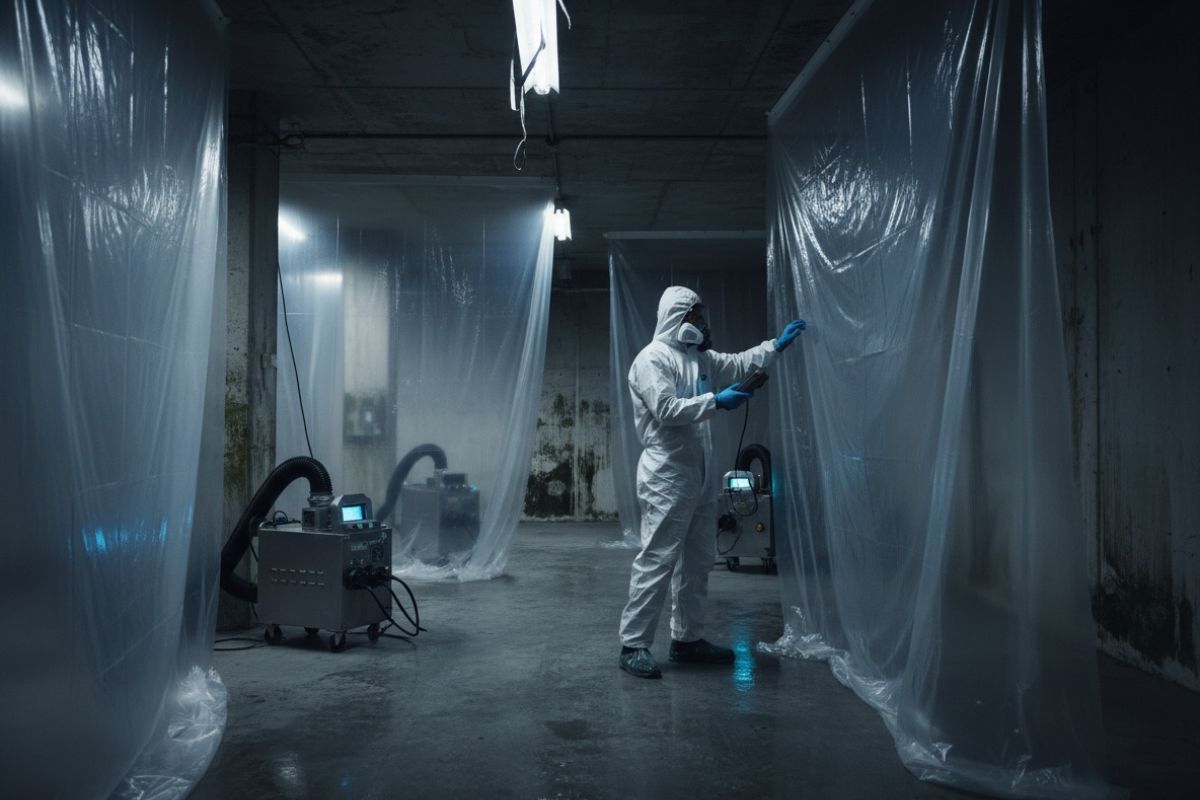
Owners and general managers who treat contamination as routine, not occasional, gain the most from a focused CPL strategy. If your crews are inside containment, wearing PPE, and documenting air quality on a regular basis, pollution liability is not an add-on. It is core protection.
Many clients, property managers, and carriers now expect contractors to carry dedicated pollution limits. The right structure keeps you eligible for work, protects your balance sheet, and supports your reputation when a job is challenged.
Examples of Ideal CPL Clients
- Water, mold, and microbial remediation firms.
- Specialists in sewage, black water, and Category 3 losses.
- Fire and smoke restoration companies managing soot and odor control.
- Environmental cleanup, demolition, or abatement contractors.
- Contractors working under agreements that require pollution liability limits.
Key Pieces Of A Strong Contractors Pollution Liability Program
A good contractors pollution liability plan does more than list a limit. It spells out how contamination is defined, which projects are in scope, and how cleanup and allegations are handled when something happens on a restoration job.
Defined Pollutants And Covered Work
Strong CPL coverage starts with a clear definition of pollutants and the types of work it supports. We look at how your teams actually handle mold, bacteria, smoke, soot, and chemicals so the policy language lines up with real water, fire, and environmental projects.
Jobsite And Completed Operations
Contamination does not always show on day one. A solid program considers both active jobsites and completed operations so claims that surface after equipment leaves can still connect back to your contractors pollution liability coverage where included.
Cleanup Costs Where Included
Many CPL policies can address certain cleanup and remediation expenses in addition to third party injury or property damage. During the quote process we focus on how your crews remediate, dispose of materials, and work with hygienists so you understand when cleanup is in play and how deductibles apply.
Documentation And Exclusions
Documentation often decides how a pollution claim unfolds. We review key exclusions and conditions alongside your scopes, moisture maps, air samples, and daily notes so you see where CPL supports your process and where you may want to tighten procedures or limits.
Common Pollution-Related Claim Scenarios
Restoration leaders rarely plan for a single dramatic loss. Real risk appears in smaller disputes that compound over time. These examples show how CPL can respond when contamination becomes the central issue.
Mold Beyond the Original Loss
After a water job, new microbial growth appears in adjacent areas. The owner alleges that containment failed and that your team spread mold spores through the building. CPL can address claimed injury, property damage, and covered cleanup tied to the defined pollutant.
Category 3 Water and Bacteria
A sewage backup exposes occupants to contaminated water. Even after mitigation, test results or complaints suggest remaining bacteria. When general liability excludes pollution, CPL is designed to step in.
Smoke, Soot, and Odor Disputes
A fire restoration project passes visual inspection, but occupants report residue, odor, and potential health effects. CPL can respond when smoke or soot meets the policy definition of a pollutant and drives the claim.
A Clear Process for Building Your CPL Program
RestoreInsure uses a deliberate process so that limits, deductibles, and retro dates match how your firm actually operates instead of following a generic contractor template.
Review Operations and Contracts
We map how your teams work today, which services drive the most contamination exposure, and what your customer contracts, franchise requirements, or carrier agreements demand.
Design the Pollution Liability Structure
Together we shape limits, deductibles, retro dates, and endorsements so CPL coordinates with general liability, professional liability, and inland marine instead of leaving gaps.
Present Options and Implement
You receive clear side-by-side options and direct guidance on next steps. Once you select a direction, we help you implement and communicate coverage to clients and key partners.
Contractors Pollution Liability FAQs
Leaders who understand how CPL behaves in claims and contracts can negotiate with confidence. These answers address common questions from restoration and environmental firms.
How is contractors pollution liability different from general liability?
General liability is broad but often excludes pollutants entirely or in many situations. CPL is written specifically to address defined pollutants and contamination events. On a claim, the policy language for both GL and CPL is reviewed to see which coverage applies.
What counts as a pollutant under a CPL policy?
The definition of pollutant is set by the policy form but commonly includes mold, fungi, bacteria, smoke, soot, vapors, and certain chemicals. We help you understand how that definition aligns with your typical water, fire, and environmental projects.
Does CPL help with cleanup costs as well as lawsuits?
Many CPL policies address both third-party bodily injury or property damage and covered cleanup costs, subject to limits and terms. It is important to know when cleanup is included, when it is limited, and how deductibles apply so you can plan cash flow.
How do retro dates and completed operations affect coverage?
The retroactive date controls how far back your work history can be considered for claims made under CPL. Completed operations language outlines how long finished projects remain in play. Together they influence how well your policy matches long-tail contamination risk.
What information is needed to quote contractors pollution liability?
Carriers often request revenue by service line, details on water, mold, and environmental work, loss history, safety and documentation practices, and information on large or sensitive projects. We organize this information with you so underwriters can respond quickly and accurately.
Make Pollution Liability a Strength, Not a Weak Spot
If your business lives in water, mold, smoke, or chemical environments, pollution liability should not be left to chance. A coordinated CPL program supports your margins, protects your people, and reinforces your promise to restore properties the right way.
RestoreInsure focuses on restoration and environmental contractors, so conversations start at your reality, not at a generic contractor checklist.
Start with a focused review of your current policies, open claims, and contract requirements. Then move to a CPL structure that keeps your firm ready for the next complex loss.