
Inland Marine Insurance That Moves With Your Restoration Crew
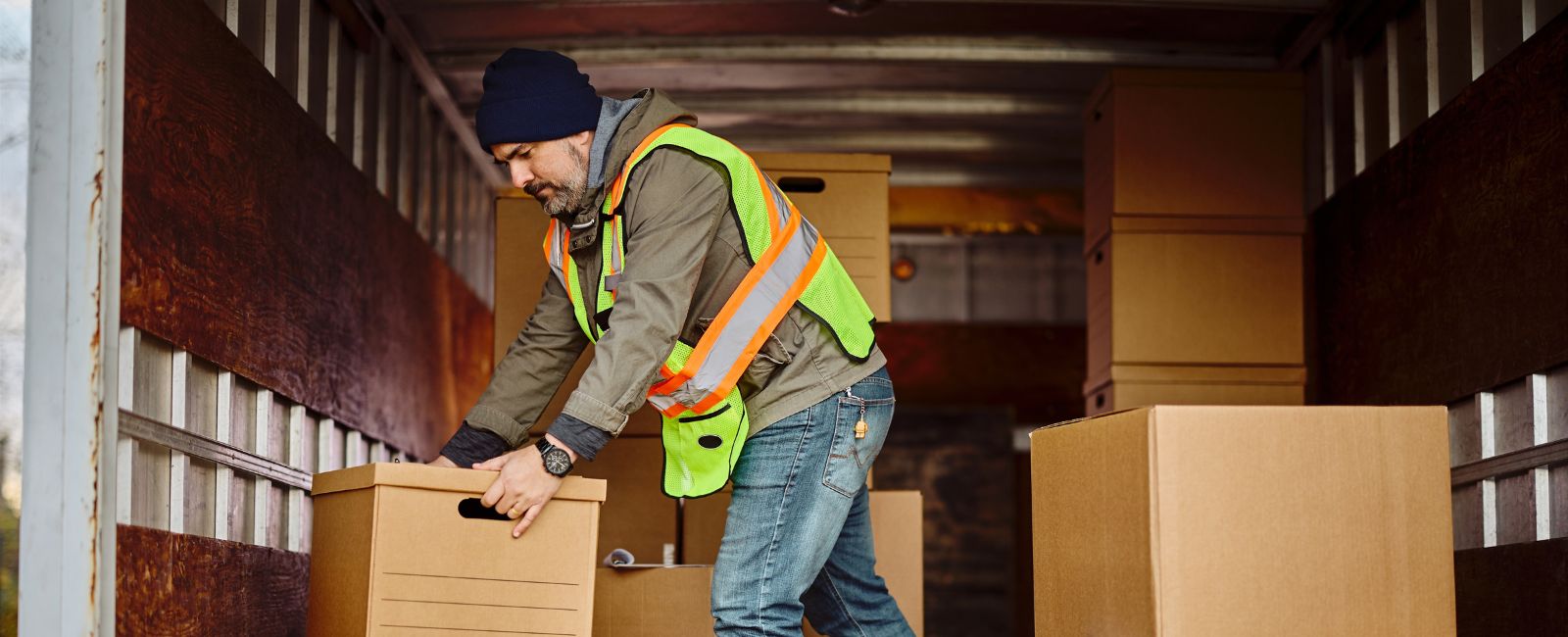
Every morning your team loads fans, dehumidifiers, meters, and tools into trucks and trailers. Inland marine insurance keeps that equipment protected while it travels, sits on a jobsite, or waits in temporary storage so one loss does not stall your schedule.
As you read, connect each line to your own routes and staging areas. Inland marine coverage exists for the gear that lives on the road, not just what stays in your building. It is one of the most practical pieces of restoration contractor insurance because it follows the work you actually do.
RestoreInsure focuses on business insurance for restorers and insurance for restoration business owners. For qualified accounts, we aim to issue commercial inland marine insurance policies within about 24 hours of receiving complete information so you are not waiting to protect the tools that keep your operation moving.
What Inland Marine Insurance Really Protects
Inland marine insurance is built for property that does not stay in one place. For restoration contractors, that means the tools and equipment that live in trucks and trailers, the jobsite gear staged in corridors and mechanical rooms, and the contents you move off-site for cleaning and storage.
A standard property policy expects everything to sit at a listed address. Insurance inland marine is different. It can respond when covered tools or equipment are stolen from a jobsite, damaged in transit, or lost in a covered event while they are temporarily stored away from your main office.
With the right schedule, limits, and deductibles, you know in advance how a covered inland marine claim will be handled. That allows you to replace critical equipment quickly instead of delaying jobs or reshuffling crews to cover the gap.
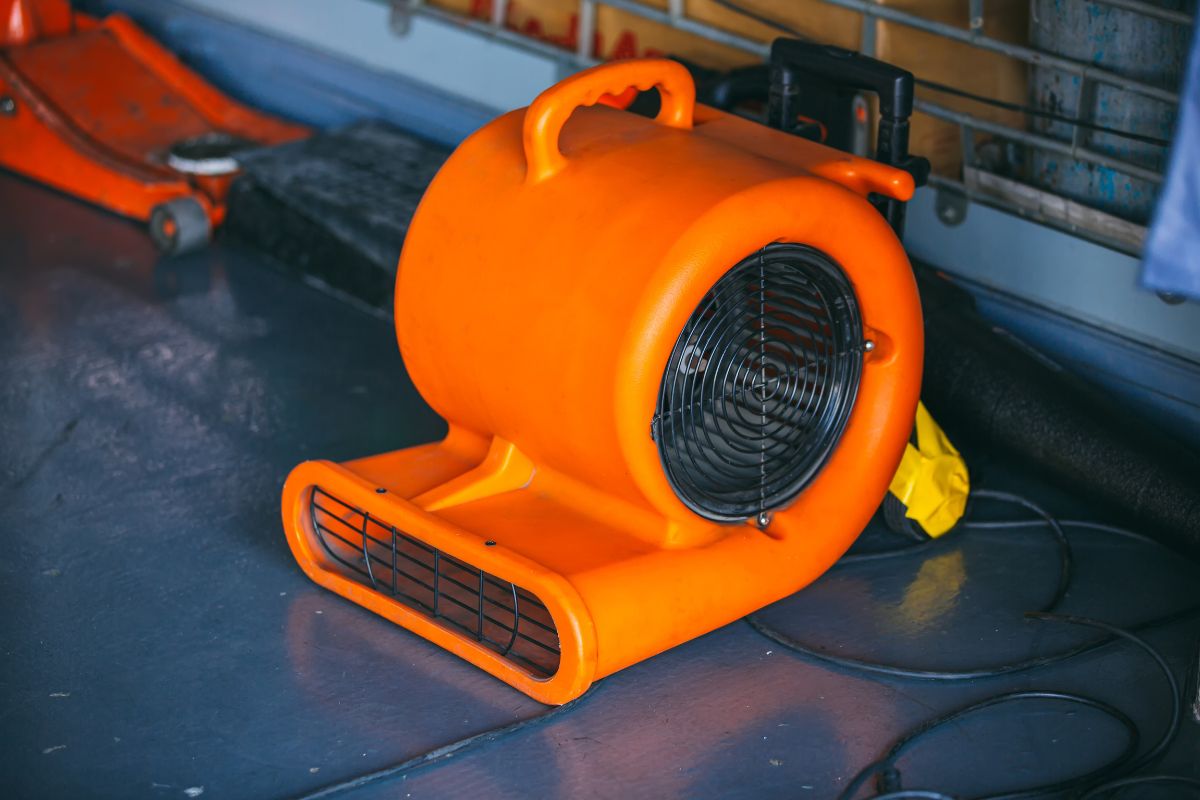
- Portable tools and drying equipment that rotate through multiple jobsites
- Jobsite gear staged overnight in buildings, parking lots, or fenced areas
- Certain contents you move, store, or handle during restoration projects
- Rented, leased, or borrowed equipment when properly added to your inland marine policy
Who Inland Marine Insurance Is Built For
Inland marine coverage becomes essential as soon as most of your production gear lives in vehicles instead of on shelves. If a single theft or accident could take multiple crews offline, inland marine insurance belongs in your contractor insurance program.
As you think through your current operation, notice where you already carry responsibility for customer property and high-value equipment. The goal is to see clearly how inland marine supports the work you perform every week.
Key Pieces Of A Strong Inland Marine Insurance Program
A good commercial inland marine insurance plan does more than list one limit. It spells out how your tools, equipment, and scheduled items are treated when something happens in the field.
Blanket And Scheduled Equipment
Decide which items belong on a specific schedule and which are better handled under a blanket limit. This keeps inland marine insurance focused on the gear that matters most while still protecting everyday tools that make each job possible.
Protection While In Transit
Inland marine insurance follows covered property as it moves between jobsites and storage. When a loaded trailer is involved in a covered accident, the policy can respond to damage to listed tools and equipment.
Jobsite And Temporary Storage
Gear rarely returns to the warehouse every night. Inland marine coverage can address theft and covered damage when equipment is left at jobsites or stored temporarily away from your main location.
Contents In Your Care
Many inland marine programs can be structured to help with certain contents exposures when you move customer property as part of your work. During the quote process, we focus on how your team handles belongings so the coverage mirrors that reality.
When Inland Marine Insurance Matters Most
It is easier to feel the value of inland marine insurance when you picture specific days on the schedule. These scenes show where a single incident can turn into a covered claim instead of a major setback.
Jobsite Theft Overnight
Your crew leaves dehumidifiers running overnight in a commercial building. By morning, several units are gone. Inland marine insurance can respond to covered theft of scheduled or blanket equipment at that location.
Damage In Transit
A loaded trailer is involved in a covered accident on the way to a large loss. Fans, meters, and specialty gear are damaged. With the right inland marine structure, you already know which items are covered and how they will be replaced.
Contents In Your Care
You move a customer’s furniture and electronics into temporary storage while drying a structure. A covered event damages some of those items. Inland marine insurance can be part of the plan that addresses that responsibility.
How We Shape Inland Marine Coverage For Your Operation
You do not need a perfect equipment list before you reach out. You just need to walk us through how you run jobs today and where your restoration business is headed next.
Review Your Routes And Gear
We start with how your crews move: what they drive, what they carry, and where they stage gear and contents. This turns inland marine insurance into a targeted solution instead of a generic add-on.
Design Limits And Schedules
Together we choose limits, deductibles, and schedules that match your appetite for risk and cash flow. You see how each inland marine insurance quote aligns with real jobs and real equipment.
Move Quickly On Policies And Claims
For qualified restoration accounts, we aim to issue inland marine policies within about 24 hours of receiving complete information. When something happens, we work to submit claim notices within about 24 hours of hearing from you so the claim process keeps moving.
Inland Marine Insurance Questions Restoration Owners Ask
These short answers are here to clear up common sticking points so you can decide how inland marine insurance fits into your restoration contractor insurance program.
Is inland marine insurance different from my property policy?
Yes. A property policy focuses on buildings and contents at scheduled locations. Inland marine insurance is meant for tools, equipment, and certain contents that move between locations or sit in temporary storage while you work.
Does inland marine insurance cover every tool I own automatically?
Not automatically. Coverage depends on how your program is structured. Some gear might be listed on a schedule, while other items fall under a blanket limit. During the quote process, we help you decide which approach fits your operation.
Can rented or borrowed equipment be included?
Many restoration firms choose to include rented or borrowed equipment in their inland marine coverage. The key is to address it directly in the policy so the expectation is clear before a loss happens.
What information do you need for an inland marine insurance quote?
We typically ask for an equipment list or summary, how you store and transport gear, recent losses, and projected growth. From there we can shape commercial inland marine insurance recommendations that match your schedule and budget.
See How Inland Marine Insurance Fits Your Restoration Business
Your restoration company depends on tools, equipment, and contents that never stand still. Inland marine insurance gives you a clear plan for those moving pieces so a single incident does not derail your work.
The next step is simple. Share how you run your jobs today and we will outline inland marine options that match. You stay in control of each decision while we handle the details of contractor insurance built for restorers.

Start a short conversation about your tools, routes, and storage. From there, we help shape inland marine coverage so it supports the restoration work you perform every day.